
Red Fort Visit
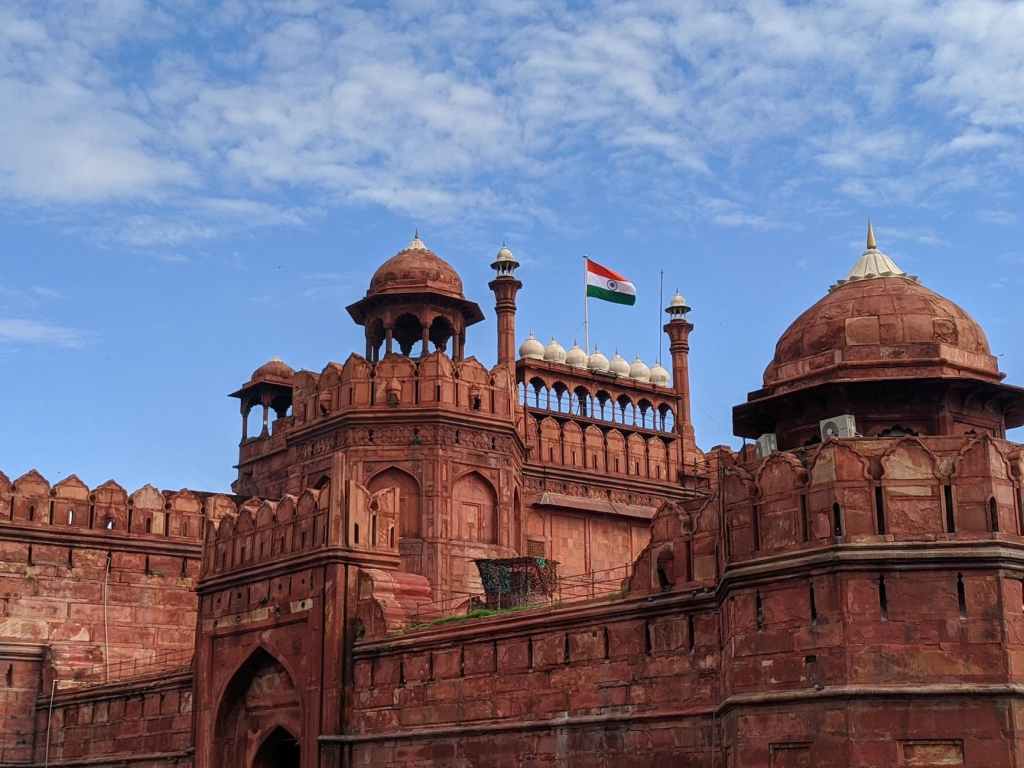
Welcome to my travel blog! Today, I’m excited to share with you my recent visit to one of the most iconic landmarks in India, the Red Fort.
As I made my way through the bustling streets of Old Delhi, I couldn’t help but feel the anticipation building inside me. The Red Fort is a must-visit attraction for anyone visiting the capital city of India, and I was thrilled to finally be seeing it for myself.
Upon entering the massive complex, I was immediately struck by the grandeur and scale of the architecture. The Red Fort was built in the mid-17th century by the Mughal Emperor Shah Jahan, and it served as the palace and administrative center of the Mughal Empire for nearly 200 years.
The fort is named after the distinctive red sandstone that was used to construct its walls and buildings, and the vibrant hue is especially stunning when viewed in the soft light of the early morning or late afternoon.
As I wandered through the sprawling complex, I marveled at the intricate details of the architecture, from the intricately carved stone lattice screens to the delicate inlaid designs of the marble pavilions.
One of the highlights of my visit was the Diwan-i-Am, or Hall of Public Audience. This large open-air pavilion was used by the Mughal emperors to hold court and meet with their subjects, and the soaring arches and ornate columns create a sense of majesty that is hard to capture in words.
Another standout feature of the Red Fort is the stunningly beautiful gardens and water features. As I strolled through the verdant lawns and around the tranquil reflecting pool, I couldn’t help but feel a sense of peace and serenity in the midst of the bustling city.
Overall, my visit to the Red Fort was a truly unforgettable experience. This magnificent monument to India’s rich cultural heritage is a testament to the skill and creativity of the Mughal architects and craftsmen who built it, and it is a must-see attraction for anyone visiting Delhi.
As I explored the complex, I also had the opportunity to visit the stunningly beautiful Diwan-i-Khas, or Hall of Private Audience. This intimate pavilion was used by the Mughal emperors to meet with important dignitaries and conduct private affairs of state, and its intricately carved marble walls and gilded ceilings create an atmosphere of opulence and grandeur.
One of the most impressive features of the Red Fort is the Nahr-i-Behisht, or Stream of Paradise. This long, rectangular pool is flanked by lush gardens and shaded pavilions, and it is said to have been inspired by the gardens of paradise described in Islamic scripture.
As I walked along the stream, I admired the beautiful fountains and water channels that dotted its length, as well as the intricate stone carvings that adorned its walls. The peaceful sound of the flowing water and the fragrance of the blooming flowers made for a truly enchanting experience.
Another highlight of my visit was the sound and light show that takes place in the evenings. The show uses projected images, music, and narration to tell the story of the history and cultural significance of the Red Fort, and it was a truly mesmerizing experience that left me with a deeper appreciation for this incredible monument.
In conclusion, the Red Fort is a must-visit attraction for anyone traveling to Delhi, India. Its stunning architecture, beautiful gardens, and rich cultural history make it a truly unforgettable experience that is not to be missed. Whether you’re a history buff, a lover of architecture, or simply looking for a peaceful escape from the chaos of the city, the Red Fort is sure to leave a lasting impression on you.
 journey to wellness with Somesh