
Yellowstone Lake is one of the most breathtaking and iconic natural wonders of the United States. Located in the northwest corner of Wyoming, within the boundaries of Yellowstone National Park, the lake is the largest high-elevation lake in North America, and its stunning beauty attracts millions of visitors every year.
Geography and Geology
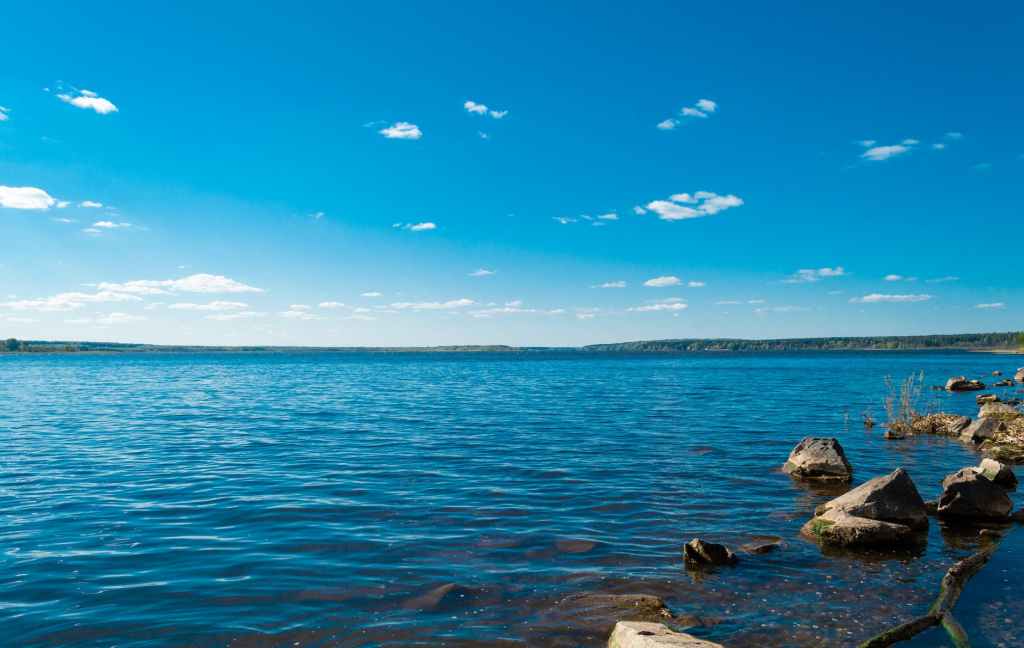
Yellowstone Lake covers an area of approximately 136 square miles, making it the largest freshwater lake above 7,000 feet in North America. It sits at an elevation of 7,733 feet above sea level and is fed by the Yellowstone River, which flows into the lake’s northern end and out of the lake’s southern end.
The lake’s geology is a result of the Yellowstone Caldera, a massive volcanic crater that sits beneath the park. The caldera was formed by several volcanic eruptions over millions of years, and the last major eruption occurred around 640,000 years ago. The caldera’s geothermal activity continues to heat the water that feeds into the lake, and the lake’s bottom is still actively changing due to the caldera’s ongoing volcanic activity.
Wildlife
Yellowstone Lake is home to a diverse array of wildlife, including cutthroat trout, lake trout, and several species of native and non-native fish. The lake’s waters also provide a critical habitat for many species of birds, including bald eagles, ospreys, and pelicans.
The surrounding area is home to a variety of mammals, including bison, elk, wolves, grizzly bears, and black bears. The park’s extensive trail system provides visitors with opportunities to explore the area’s diverse ecosystem and observe its wildlife in their natural habitat.

Activities
Yellowstone Lake offers visitors a wide variety of recreational activities, including fishing, boating, and hiking. The lake is a popular destination for anglers, with cutthroat trout and lake trout being the primary species of fish caught. Boating is also a popular activity on the lake, with several marinas and boat rental services available.
Hiking is another popular activity in the area, with several trails winding through the park’s backcountry and offering visitors the chance to experience the area’s unique geology and wildlife. The West Thumb Geyser Basin, located on the lake’s western shore, is a popular attraction, offering visitors a chance to see geysers, hot springs, and fumaroles up close.
Visitors can also explore the park’s historic sites, including the Lake Yellowstone Hotel, which was built in 1891 and is a National Historic Landmark. The hotel offers visitors a chance to experience the park’s early history and architecture and provides a comfortable place to stay for those visiting the area.

Conclusion
Yellowstone Lake is a must-see destination for anyone visiting Yellowstone National Park. Its stunning natural beauty, unique geology, and diverse wildlife make it a truly one-of-a-kind experience. Whether you are an angler, a boater, a hiker, or simply a nature lover, Yellowstone Lake has something to offer everyone. So, pack your bags, grab your camera, and get ready to experience one of America’s most breathtaking natural wonders
 journey to wellness with Somesh